Piano Tuning: Cost, Frequency and How to Tell a Tuning Is Due
A newly bought piano sounds different after a few months than it did on day one, that's normal. How often it needs tuning and what that costs depends on the age, location and use of your instrument.
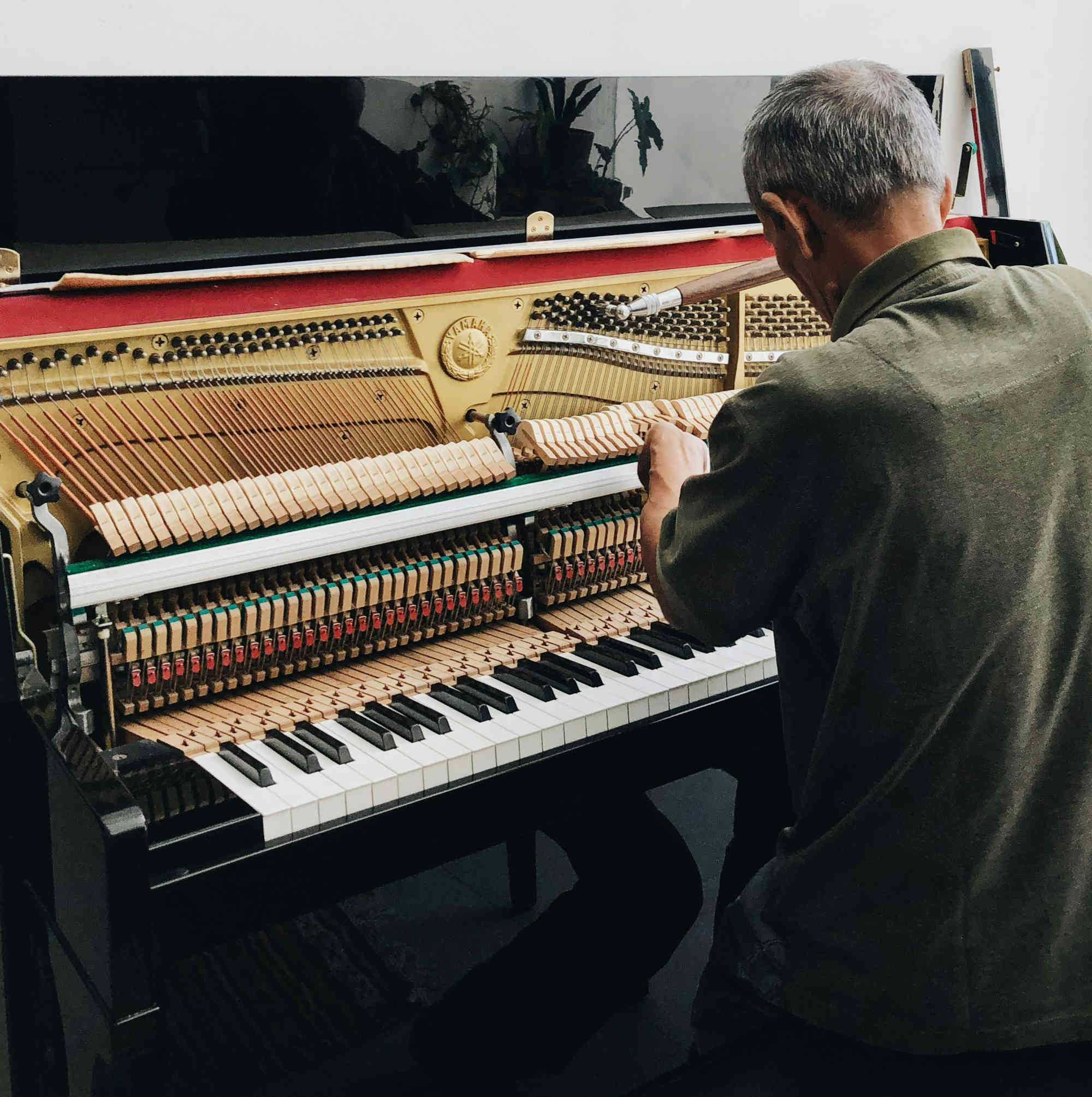
Why Does a Piano Go Out of Tune at All?
Several factors act on a piano's roughly 220 strings at once:
- Temperature and humidity swings: The wooden soundboard expands in humid conditions and contracts when it's dry, which changes string tension. Heating season in winter is especially critical.
- String tension and fresh restringing: New strings stretch more in the first few months, which is why new or freshly restrung pianos need more frequent follow-up tunings.
- Playing intensity and transport: A heavily played piano goes out of tune faster than one rarely touched. A move, even over a short distance, also usually calls for a follow-up tuning.
What Does a Piano Tuning Cost?
Prices vary by region, effort involved and the condition of the instrument:
- Regular tuning on a well-kept piano: Roughly $120 to $250, often done within an hour.
- Tuning after long neglect: A badly out-of-tune piano often needs two passes, since the tension can't be corrected all at once. Expect $200 to $400 or a second appointment.
- Tuning after a move: Have your piano tuned no sooner than two to four weeks after transport, so it has adjusted to the new location and climate before the string tension is finally corrected.
- Additional regulation or repair: Sticking keys, uneven touch or action problems aren't a tuning issue and are billed separately, usually starting around $60 depending on the work involved.
How Often Should a Piano Be Tuned?
As a rule of thumb:
- New or freshly restrung piano: Once or twice in the first year, while the new strings are still settling.
- Regularly played piano: Once or twice a year, regardless of the instrument's age.
- Rarely played piano: At least once a year, even if it's barely played, since climate swings affect it regardless of use.
- Before special occasions: Concerts, recitals or recordings justify an extra tuning shortly before the event.
How to Tell a Tuning Is Due
A few reliable signs to watch for:
- Beating between neighboring notes: Hold two neighboring notes at once and you'll hear a slight wavering or shimmer in the sound, a clear sign of being out of tune.
- The overall sound feels dull or impure: Especially noticeable when playing along with other instruments or singing.
- No tuning for over a year: Even if you can't hear a difference yourself, the tuning has usually already shifted noticeably.
Questions and Answers
Can I tune my own piano?
Small touch-ups, like tuning individual unison strings, are doable with the right tools. A complete tuning still takes practice and a trained ear though, our guide to tuning your own piano covers what's realistic and what to watch out for.
Does a newly bought used piano need tuning right away?
Not necessarily right away, but usually within the first four to six weeks after transport, once the instrument has adjusted to the room's climate and location. Ask about the date of the last tuning when buying, it helps with the assessment.
Does neglected tuning affect resale value?
Not much directly, a tuning is quickly caught up. But repeated neglect over years can point to a lack of general care and makes buyers more cautious.
A regularly tuned piano holds its pitch better and protects strings and action over the long run, whether it's a piano you just bought or one you've owned for years.
Still looking for the right instrument? Browse current piano and grand piano listings on PianoHub, with condition and last-tuned details right in the listing.