How Much Does a Used Piano Cost?
Are you looking to buy or sell a used piano and want to know what it is worth? Prices on the used piano market vary considerably, depending on brand, model, age, and condition. Note: final prices can vary significantly by region and condition.
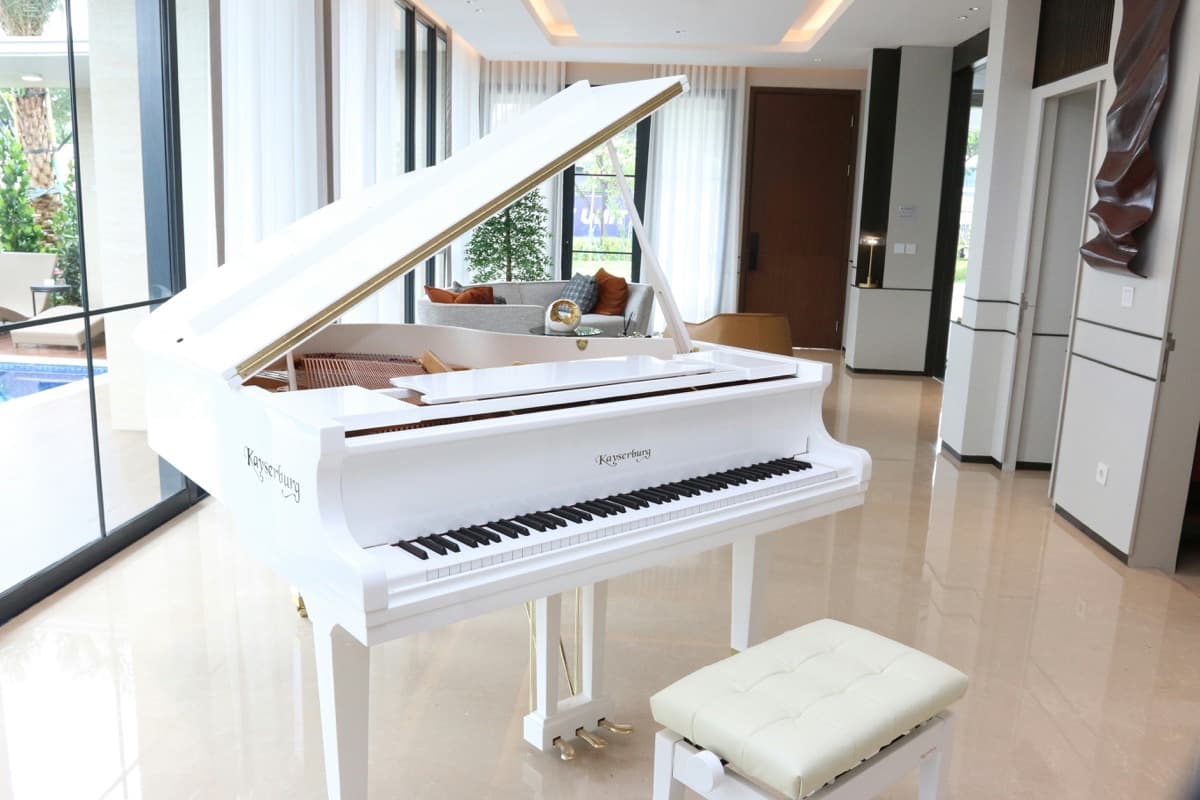
Price Overview: Used Pianos by Segment
Used pianos can generally be divided into four price segments:
- Entry level (under $1,000): Older instruments from lesser-known or budget brands, often from the 1970s or 1980s. Usually tuneable and playable but limited in tone and mechanics. Free pianos on classifieds ('free to collect') also fall here, but they are often in need of repair.
- Mid-range ($1,000 to $5,500): The strongest market segment. Well-maintained instruments from Yamaha, Kawai, or Schimmel. For many buyers, the best value for money.
- Upper mid-range ($5,500 to $15,000): High-quality German and Japanese instruments in very good condition, often with dealer warranty. Smaller grand pianos and professional uprights.
- Premium (from $15,000): Concert instruments, rare vintage pieces, large grand pianos from Steinway or Bösendorfer. For professionals, institutions, and collectors.
Market Prices by Brand (used, good condition, 2026)
The following reference values apply to instruments in good to very good condition. Instruments requiring repair will be priced correspondingly lower.
- Yamaha – value-stable used brand
- Yamaha U1 (manufactured 1980-2000): approx. $2,500 to $6,500
- Yamaha U3 (same period): approx. $3,500 to $7,500
- Newer models (from 2005): typically $600 to $1,000 higher
- Kawai – reliable, excellent value for money
- Kawai K-200: approx. $2,500 to $4,000
- Kawai K-300: approx. $3,000 to $5,000
- Schimmel – older models cheaper, often with distinctive character
- Schimmel (made in Germany): approx. $3,500 to $7,000 depending on model and condition
- Bechstein
- C. Bechstein upright piano: approx. $9,000 to $20,000
- More affordable Bechstein models (Academy series): approx. $4,000 to $7,000 used
- Grotrian-Steinweg – extremely durable, tonally outstanding
- Grotrian-Steinweg upright pianos: approx. $7,000 to $20,000
- Blüthner – warm, full tone
- Blüthner upright pianos: approx. $8,000 to $15,000
- Steinway & Sons – holds its value exceptionally well
- Steinway upright piano (Model K-132): from approx. $15,000
- Grand piano Model M (170 cm): approx. $30,000 to $60,000
- Grand piano Model O (180 cm): approx. $35,000 to $60,000
- Grand pianos in general
- Small grand pianos (up to 170 cm) from Yamaha or Kawai: approx. $6,000 to $15,000
- Mid-size grands (170-200 cm) from German brands: approx. $35,000 to $60,000
- Concert grands (from 220 cm): typically from $45,000 upwards
How Age and Condition Affect Price
Age alone does not determine value. A well-maintained Yamaha from the 1980s can be worth more than a cheap instrument from more recent production. The following factors influence price:
- Condition: Very good (regularly tuned, no defects): full market price. Good (playable, minor cosmetic wear): approx. 15 - 20% discount. Needs repair (sticking keys, faulty action): 30 - 50% below standard price. Note: tuning and minor repairs often pay for themselves.
- Refurbishment costs: Professional tuning: approx. $120 to $250. Minor repairs (sticking keys, pedals): approx. $180 to $450. Major overhaul (hammers, action): approx. $900 to $2,000. Full restoration: $3,500 to $15,000. These costs should be factored into the purchase calculation.
- Region: In major cities such as Los Angeles, New York, or London, prices are typically 10 - 20% above the regional average. Rural areas often offer cheaper options, but transport costs may apply.
Price Negotiation: What is Fair?
Negotiating is common when buying a used piano. Some guidelines:
- 5 - 15% margin is normal: Most sellers build in a negotiation buffer. Offering 10% below the asking price is a fair opening.
- Defects justify larger discounts: If the piano needs tuning or repair, estimated repair costs are a legitimate negotiating argument.
- Aggressive haggling is off-putting: Demanding a 40% discount on a fairly priced instrument signals a lack of genuine interest. This often ends the conversation.
- Less room to negotiate with dealers: Professional dealers have calculated their prices. Around 5 - 8% flexibility is realistic, but in return you receive a warranty, tuning, and transport.
Used piano prices shift regularly with market supply. For the most current assessment we recommend comparing active listings on PianoHub.
Looking to buy a piano? Browse all current listings on PianoHub, free, no registration required, with radius search.