Renting vs Buying a Piano: The Honest Comparison
If you're not sure whether playing piano will become a long-term hobby, renting instead of buying is a common first step. Both paths have their place, here are the facts for an informed decision.
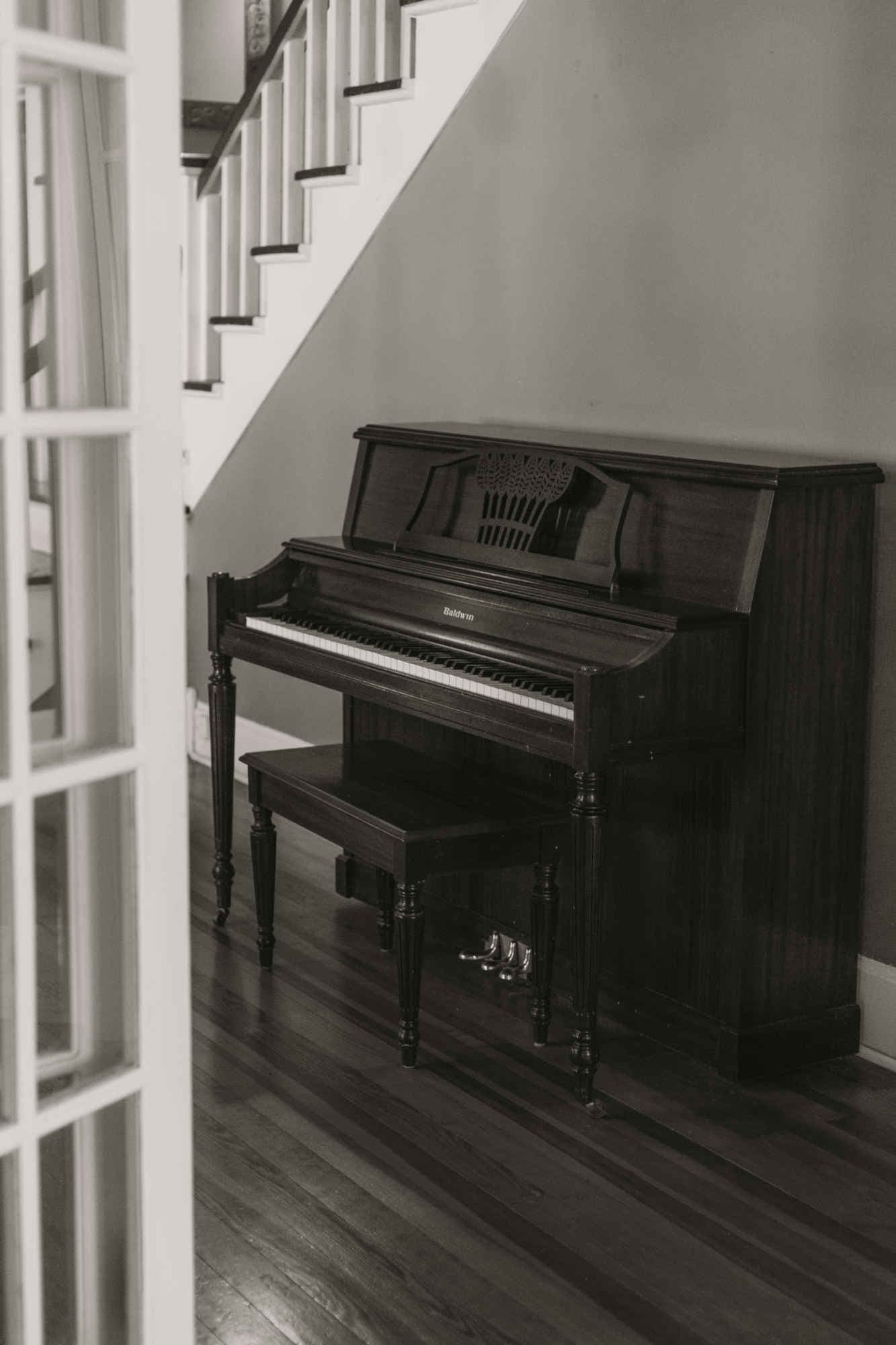
Who Does Renting Suit?
Renting makes the most sense in these situations:
- Beginners testing the hobby: If you're not yet sure playing piano will stay interesting long term, renting keeps the financial risk low.
- A temporary place to live: With a move abroad or a fixed-term lease on the horizon, renting saves the hassle of transport and resale.
- Music schools and short-term needs: For exam prep, a stint at a music school or a fixed-term course, renting is often more practical than buying.
What Does Renting a Piano Cost?
Prices depend on the type of instrument and contract length:
- Digital piano: From around $40 to $60 a month, depending on model and term.
- Acoustic piano: From around $50 to $100 a month on a twelve-month contract, more for shorter terms.
- Transport and setup: Usually billed on top of the monthly rent, though some providers include it in the first few payments.
- Deposit: Common practice for acoustic pianos, refunded when the instrument is returned as agreed.
Rent-to-Own: Crediting Rent Toward the Purchase Price
A model offered by several providers:
- How it works: Many providers credit part of the rent you've paid, often up to twelve monthly payments, toward the purchase price if you decide to buy the same instrument.
- What to check: Check the contract to see whether the full amount is credited or only part of it, and whether the credit is tied to a minimum contract term.
When Does Buying Beat Renting?
A couple of quick calculations to put it in perspective:
- With longer-term interest in playing: A standard $60 monthly rent adds up to $1,500 over two years, often already enough for a solid used entry-level piano with resale value.
- Buying used instead of renting new: A well-kept used piano holds its value much better than rent paid month after month, which leaves you with nothing once the contract ends, unless a rent-to-own model applies.
- Ownership without contract terms: Buying removes any minimum term or return conditions, you decide freely about location, upkeep and a possible resale.
Questions and Answers
Is a rental piano technically worse than one you buy?
Not inherently, reputable providers rent out well-maintained instruments in good condition. Still, it's worth checking condition and last tuning before signing, just like when buying.
What happens if I want to return a rental piano early?
It depends on the contract. Many providers require a minimum term or notice period, and returning early can incur extra costs. Check the contract details closely before signing.
Is a used piano from PianoHub cheaper than a long-term rental?
In many cases yes, especially if you expect to play for more than a year or two. A solid used entry-level piano is often available for the equivalent of one to two years of rent, and unlike a rental, it keeps a resale value.
Renting and buying aren't mutually exclusive, if you're unsure, start with a rental and move to your own instrument later.
Compare current used pianos on PianoHub and see whether buying already works out cheaper than renting for you.